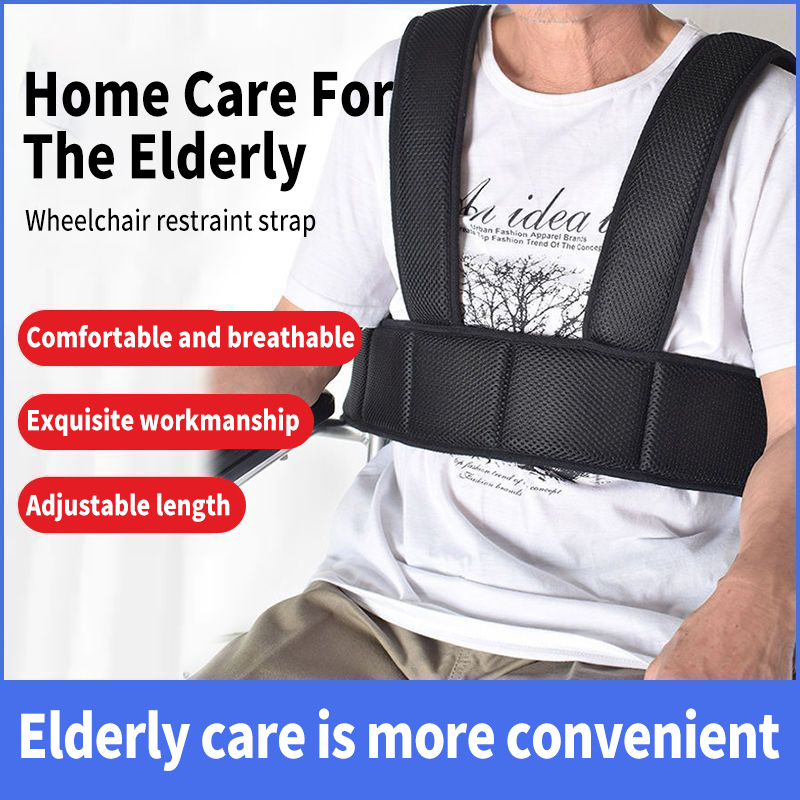
Wheelchair Seatbelt Safety Belt for Dementia Patients Falling Out Prevention Wheelchair Safety Harness for Adults(JD139TB)
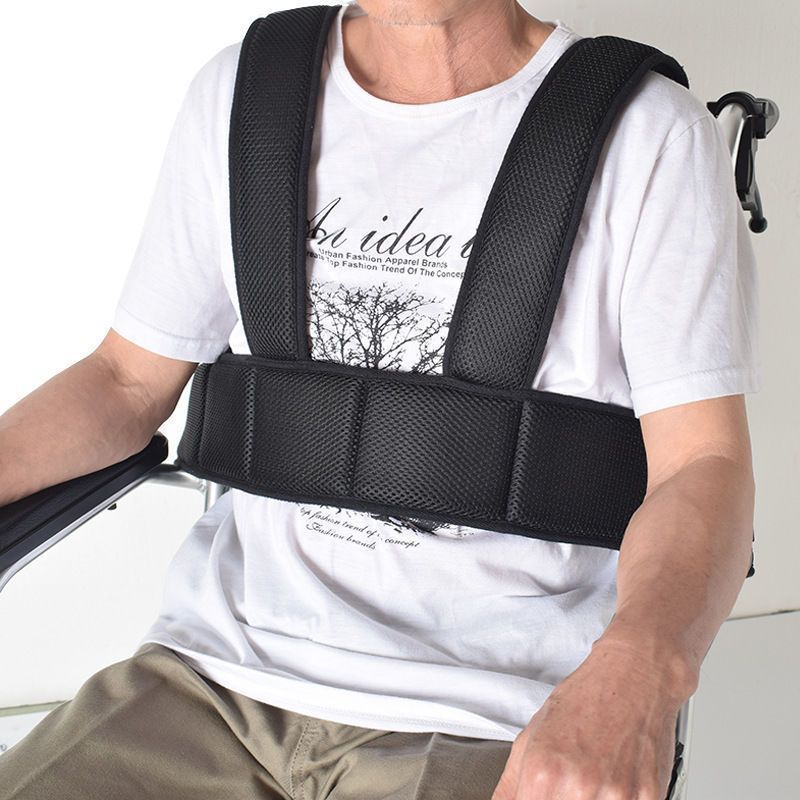
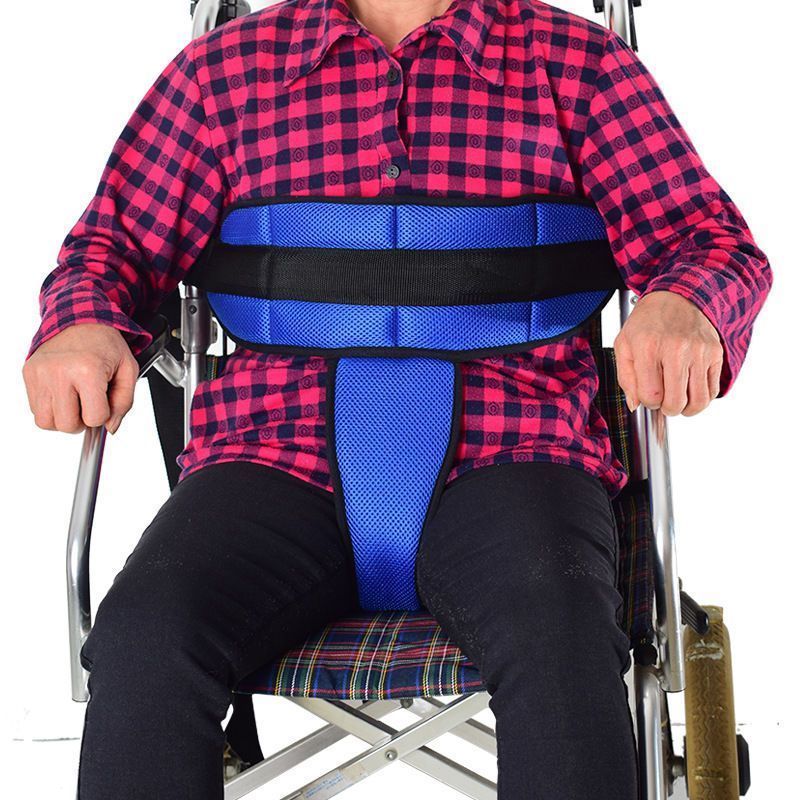
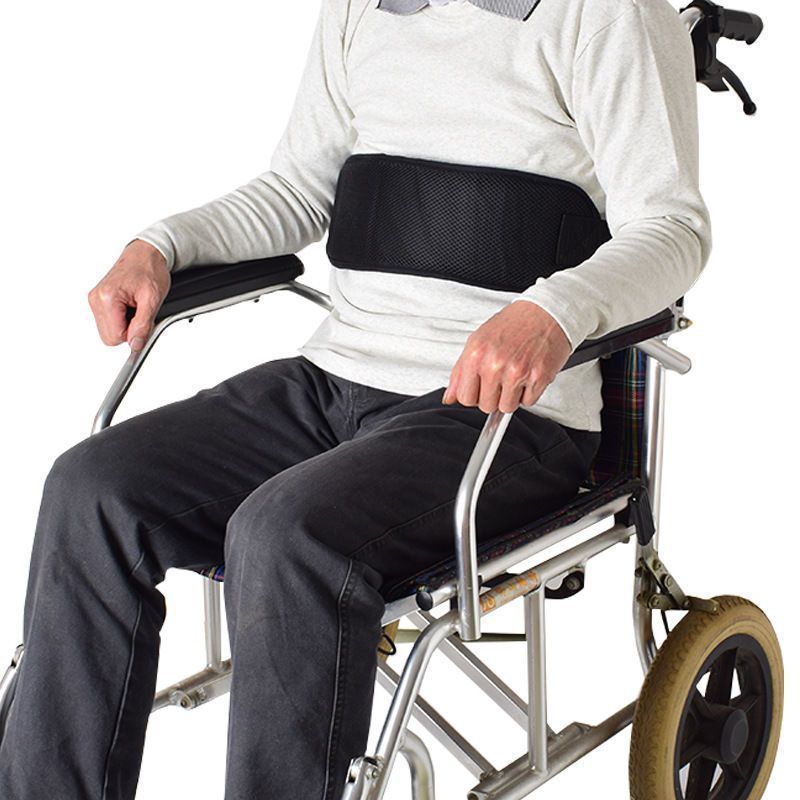
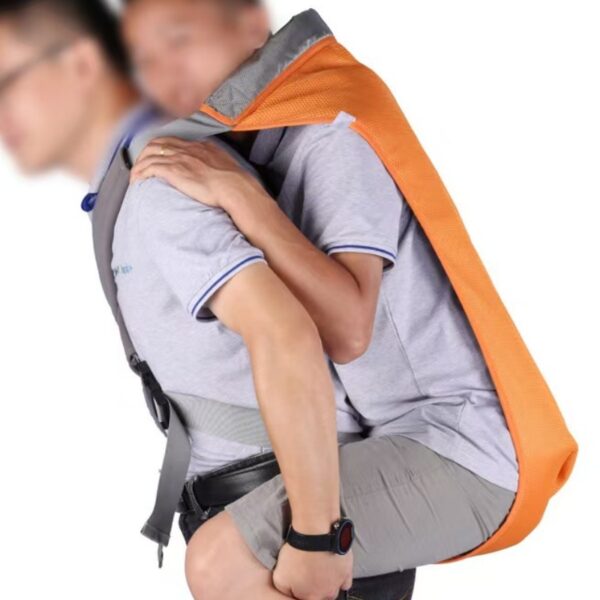
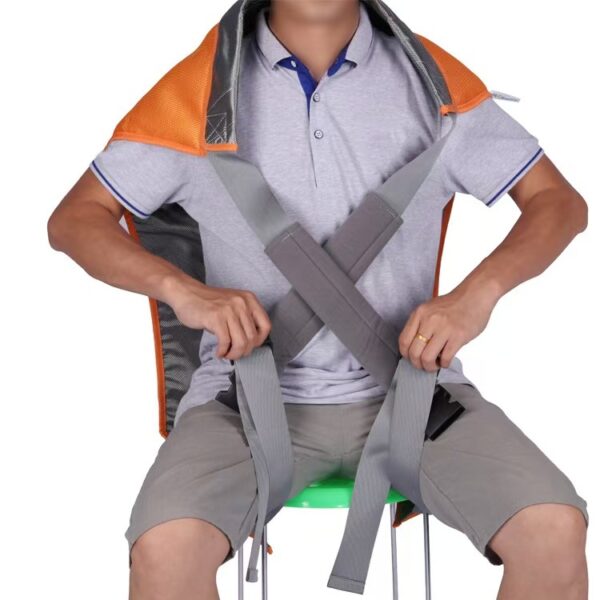
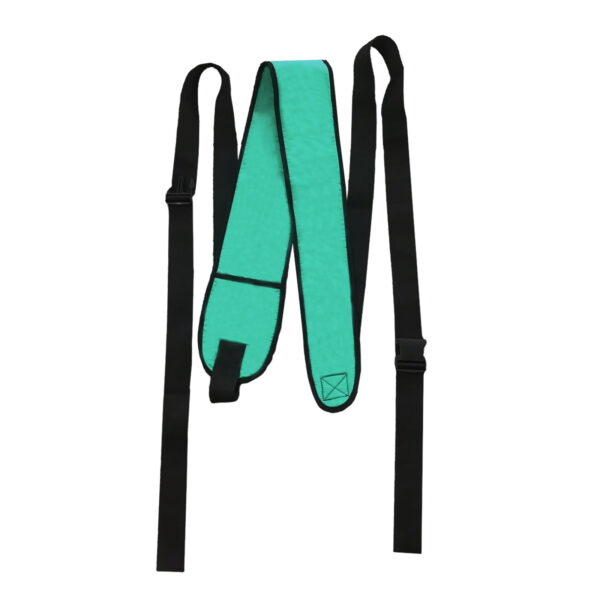
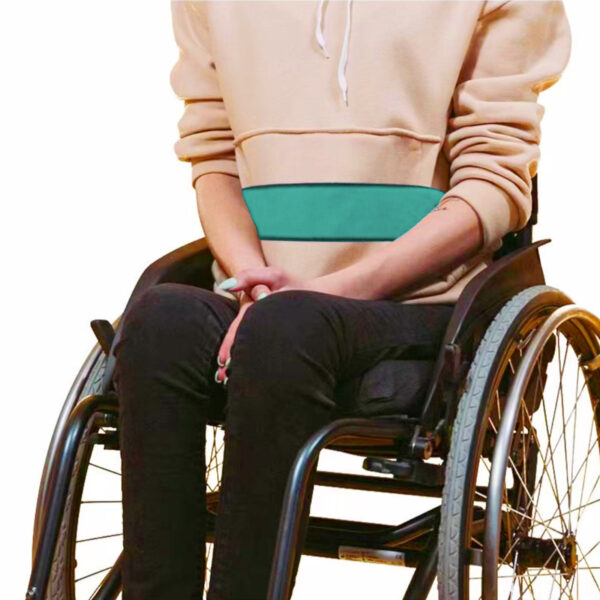
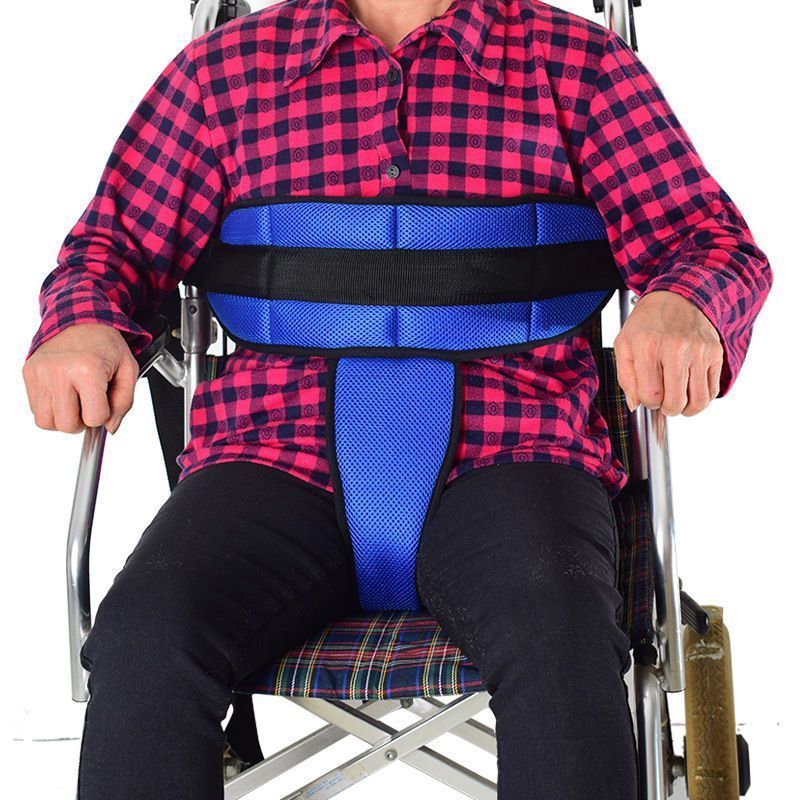
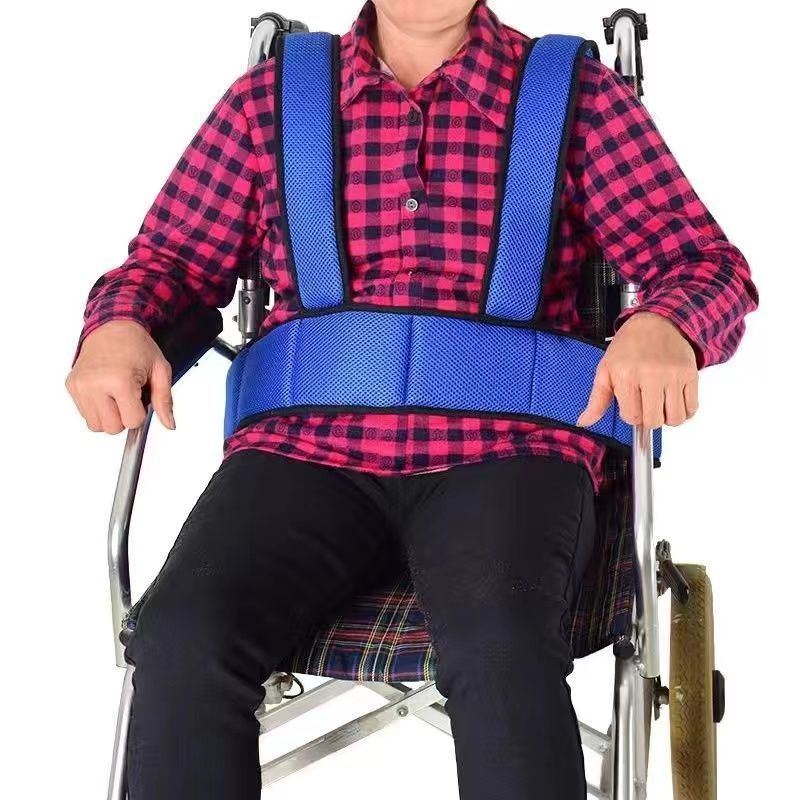
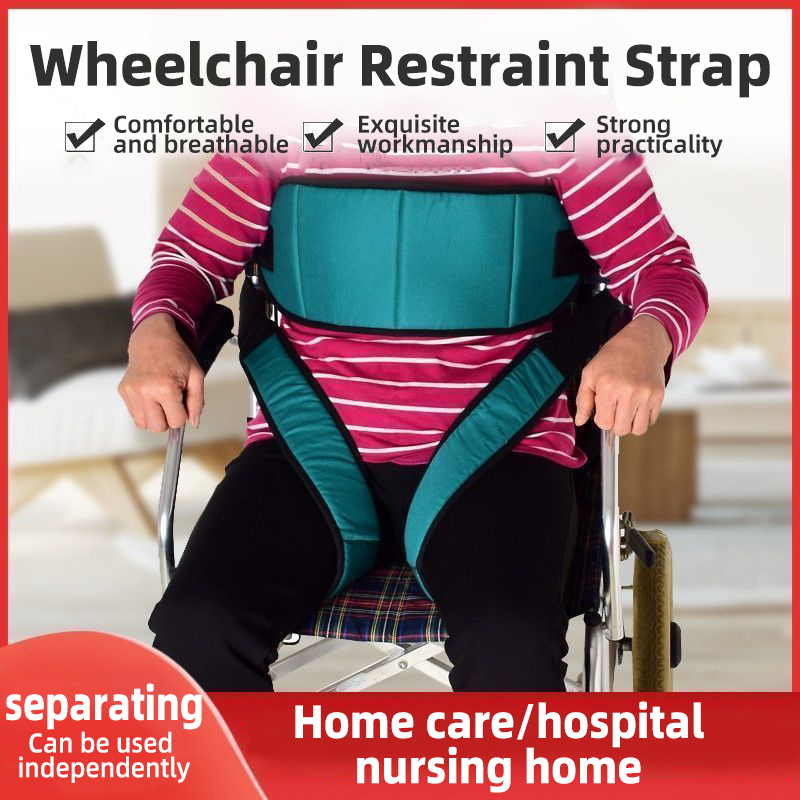
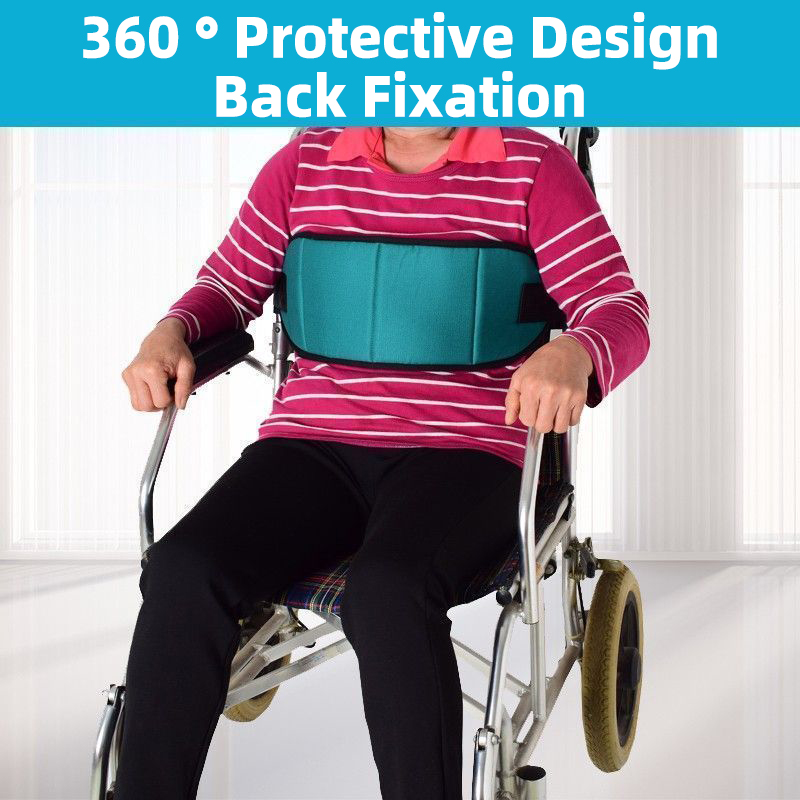
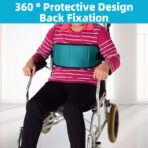
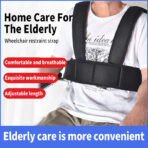
Main Function: Medical lumbar restraint wheelchair safety belt. This restraint belt prevents users from accidentally getting out of bed or sliding forward. Like car seat belts, the wheelchair safety belt buckles are easy to install and remove, and the locking and releasing mechanisms are secure and reliable. Wheelchair safety belt for the elderly, wheelchair seat safety belt, full-body safety belt to prevent falls.
Easy to Use: Designed specifically for those who need to use a wheelchair safety belt, it locks and releases securely, is easy to operate, and, like a car seat belt, prevents the patient from sliding forward.
Unique Design: A wheelchair safety belt for the disabled, with a simple and practical structure, a reasonable design, suitable for all wheelchairs and most users. Wheelchair safety belt torso support vest.
Target Users: Individuals with cramps, epilepsy, paraplegia, muscular atrophy, Parkinson’s disease, disabilities, or those prone to falling out of wheelchairs.
Our product certifications include:


The platforms we support are:



Main Function: Medical lumbar restraint wheelchair safety belt. This restraint belt prevents users from accidentally getting out of bed or sliding forward. Like car seat belts, the wheelchair safety belt buckles are easy to install and remove, and the locking and releasing mechanisms are secure and reliable. Wheelchair safety belt for the elderly, wheelchair seat safety belt, full-body safety belt to prevent falls.
Easy to Use: Designed specifically for those who need to use a wheelchair safety belt, it locks and releases securely, is easy to operate, and, like a car seat belt, prevents the patient from sliding forward.
Unique Design: A wheelchair safety belt for the disabled, with a simple and practical structure, a reasonable design, suitable for all wheelchairs and most users. Wheelchair safety belt torso support vest.
Target Users: Individuals with cramps, epilepsy, paraplegia, muscular atrophy, Parkinson’s disease, disabilities, or those prone to falling out of wheelchairs.